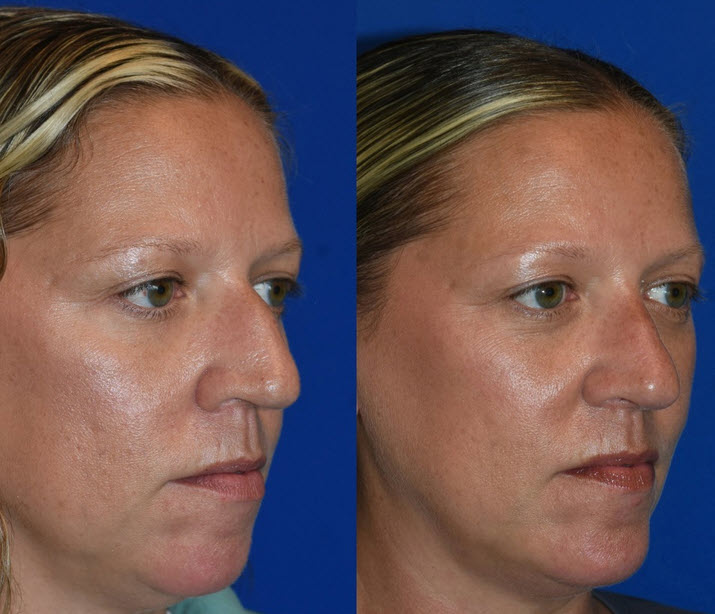
Rhinoplasty in Kirkland, WA with Joseph Shvidler MD
Updated: May 29, 2025
Welcome to Your Rhinoplasty Journey
If you're in Kirkland, WA and considering rhinoplasty, you're in the right place. Whether your goal is to refine appearance, improve breathing, or correct trauma, Dr. Joseph Shvidler provides personalized, expert surgical care. Rhinoplasty—often known as a “nose job”—is not just about aesthetics. For many, function and comfort are equally important.
Why Consider Rhinoplasty Near Kirkland?
There are many good reasons why people choose to undergo rhinoplasty. Some of them are purely cosmetic, while others address serious functional concerns:
- Correct breathing difficulties caused by conditions such as a deviated septum or nasal obstruction.
- Restore or improve facial symmetry to better harmonize the nose with other facial features.
- Fix damage from injury or trauma to the nose.
- Boost self-confidence and personal image when one feels the nose interferes with their appearance.
Local patients especially appreciate having a facial plastic surgeon who understands their area, culture, and lifestyle. Being close to home makes pre- and post-operative care, and follow-ups far more convenient.
How Rhinoplasty Is Performed
No two patients are alike, so every surgery is tailored to individual needs. Below are the general steps and options you can expect when working with Dr. Shvidler:
- The procedure is done under general anesthesia to ensure your comfort throughout.
- Incisions may be inside the nose (closed rhinoplasty) or along the columella (open rhinoplasty), depending on what’s required for reshaping.
- The bone and cartilage are reshaped to refine the nasal bridge, tip, and overall structure.
- Once the internal structure is adjusted, the skin is redraped over the new framework, and incisions are closed carefully.
Dr. Shvidler emphasizes both functional and aesthetic outcomes—meaning you should expect to look good *and* breathe better.
Recovery After Rhinoplasty
Healing is a crucial part of the process. Dr. Shvidler and his team will guide you at every step to ensure you recover safely and effectively.
- Downtime: Most patients can return to work or school in about 1-2 weeks.
- Swelling & bruising: Common during the first 7-10 days; gradually subsides.
- Nasal splint: Usually worn for approximately 1 week for support and protection.
- Activity limitations: Avoid strenuous exercise or contact sports for 4-6 weeks to allow proper healing.
Benefits of Choosing Rhinoplasty Surgery
There are both medical and cosmetic benefits available through rhinoplasty:
- Improved facial balance and proportions, so the nose better complements other facial features.
- Enhanced self-image, confidence, and peace of mind with one’s appearance.
- Better airflow and relief from issues such as nasal obstruction or chronic congestion.
- Correction of birth defects, previous surgical results, or structural irregularities affecting appearance or function.
Who Is a Good Candidate?
Not everyone is suitable for rhinoplasty, and Dr. Shvidler takes care to evaluate each patient individually. Candidates who are most likely to benefit generally:
- Are adults whose facial growth has completed.
- Are in good overall health, without uncontrolled chronic conditions.
- Have realistic expectations about what rhinoplasty can—and cannot—achieve.
- Have functional issues (such as breathing difficulty) or cosmetic concerns with their nose.
What to Look for in a Facial Plastic Surgeon
Choosing the surgeon is one of the most important decisions you’ll make. Consider the following when evaluating a surgeon for rhinoplasty:
- Board certification in facial plastic and reconstructive surgery or related recognized fields.
- Significant experience specifically in rhinoplasty, including complex or revision cases.
- Portfolio of before & after photos that show natural, balanced results.
- Patient reviews and testimonials that highlight satisfaction, comfort, and trust.
- How collaborative and communicative the surgeon is during consultation—are your goals listened to and understood?
Revision Rhinoplasty
When a prior rhinoplasty hasn't produced the desired appearance or breathing function, revision rhinoplasty may be required. This procedure is more complex due to changes in tissue and structure from the previous surgery.
- It can address breathing issues not solved or caused by prior surgery, such as septal problems or nasal valve collapse.
- It helps correct irregularities: asymmetry, visible bumps or depressions, an unsatisfactory tip, or other contour issues.
- May involve cartilage grafting (taking cartilage from the nose itself, ear, or rib), scar tissue management, tip support techniques, etc.
- Recovery may be longer, and outcomes refined over time. The planning and imaging stages are especially critical in revision cases.
Frequently Asked Questions (FAQs)
Is revision rhinoplasty more expensive than the initial surgery?
Yes—because it often requires more surgical time, possibly using grafts, and dealing with scar tissue, which increases complexity.
How long should I wait after a prior surgery before having revision rhinoplasty?
Waiting at least one year is commonly recommended so that the tissues have healed fully and the results are more predictable.
Will insurance cover any of this?
That depends. If the surgery is being done to improve breathing or correct functional problems, insurance may provide coverage. Cosmetic changes are usually self-pay. During consultation, Dr. Shvidler’s office can discuss cost, financing, and insurance options.
Your First Step
If you’re considering rhinoplasty anywhere near Kirkland, WA, the best thing to do is schedule a consultation with a surgeon you trust. Under the care of Dr. Joseph Shvidler—board certified, experienced, and focused on your comfort—you have the opportunity to gain both improved function and a look that feels natural.


No comments:
Post a Comment