Monday, September 15, 2025

Does Rhinoplasty Improve Breathing Issues?

Does Rhinoplasty Improve Breathing Issues?

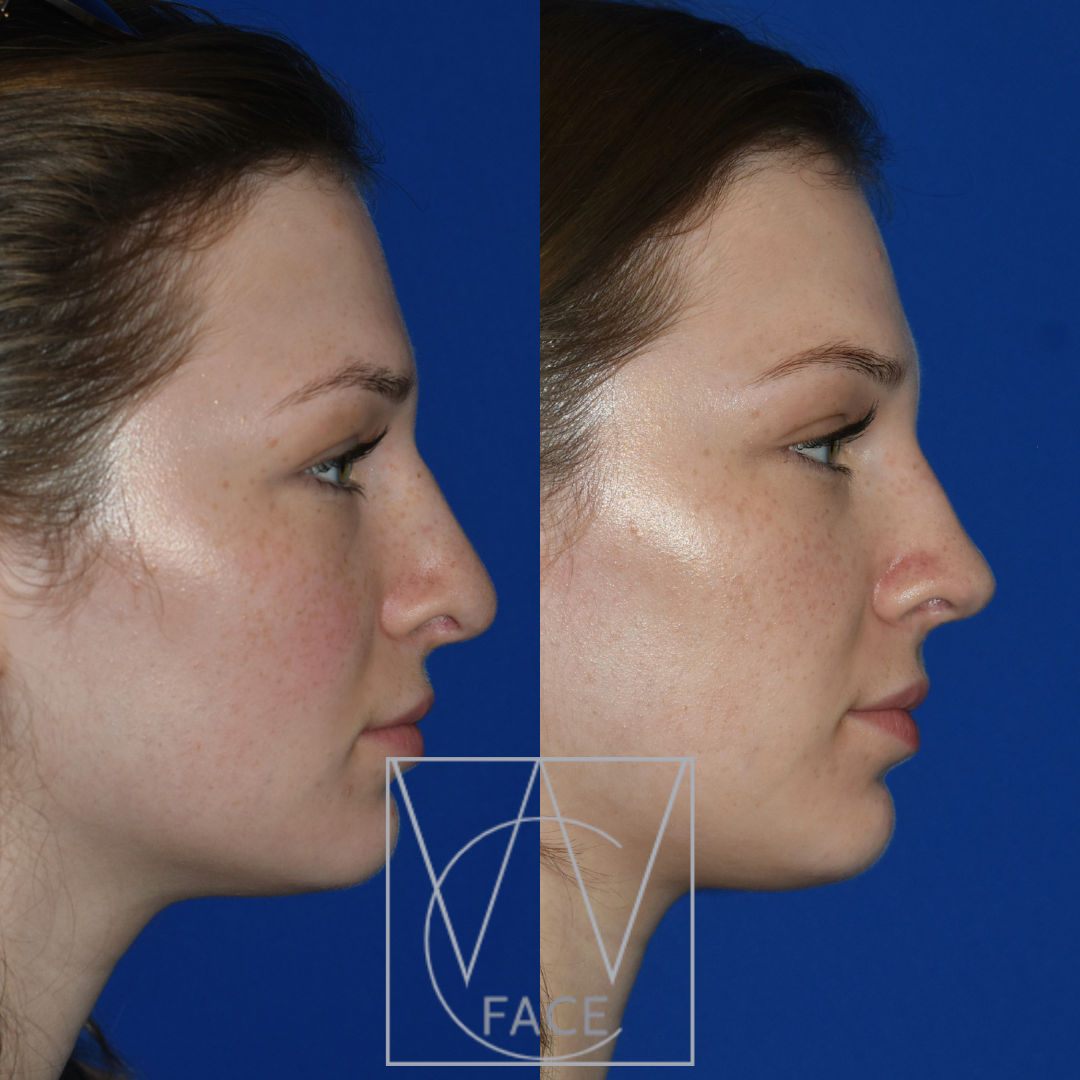
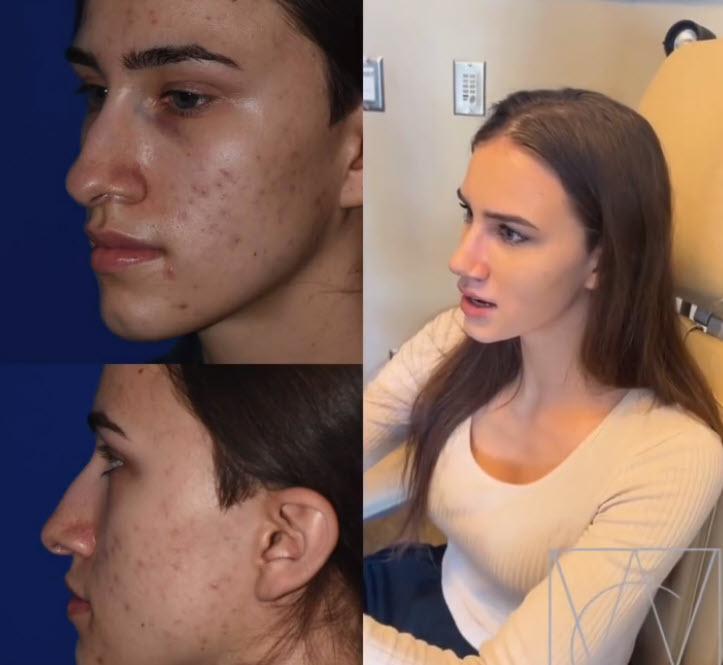
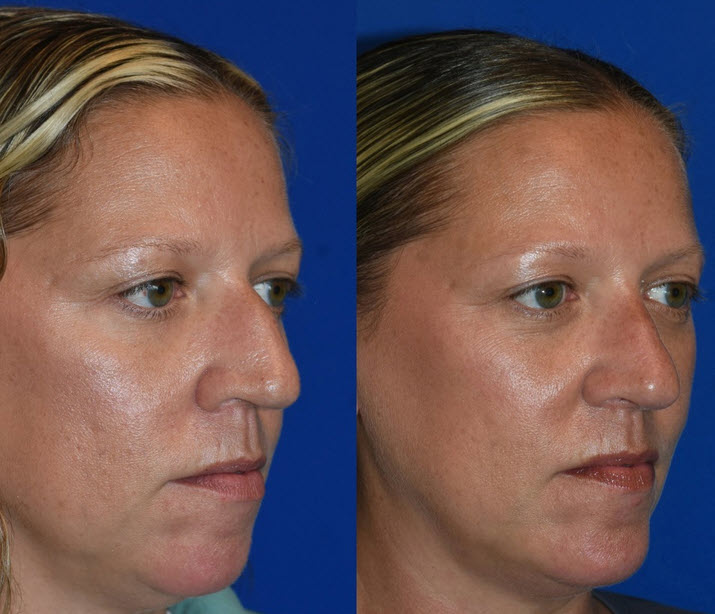
Rhinoplasty, commonly known as a nose job, is widely recognized for its cosmetic benefits. However, many patients seek this procedure to address functional concerns, including breathing difficulties caused by structural issues within the nose. Understanding how rhinoplasty can improve nasal airflow and overall breathing is essential for anyone considering this surgery for medical purposes.

Understanding Breathing Issues Related to the Nose

Nasal breathing can be compromised by a variety of conditions, including a deviated septum, enlarged turbinates, nasal valve collapse, and other structural abnormalities. Chronic nasal obstruction not only affects sleep and exercise tolerance but can also impact overall quality of life. Patients may experience symptoms such as snoring, mouth breathing, fatigue, sinus infections, or difficulty performing physical activities.

Functional Rhinoplasty: Beyond Cosmetic Enhancement

While traditional rhinoplasty focuses on reshaping the nose for aesthetic purposes, functional rhinoplasty is specifically designed to improve nasal airflow. Many surgeons combine cosmetic and functional goals in a single procedure, allowing patients to achieve both appearance enhancement and improved breathing. Addressing functional issues can significantly enhance a patient's quality of life.

Common Structural Causes of Breathing Problems

Deviated Septum

A deviated septum occurs when the cartilage dividing the nostrils is displaced, obstructing airflow in one or both nostrils. Septoplasty, often performed alongside rhinoplasty, realigns the septum to restore proper nasal breathing.

Enlarged Turbinates

Turbinates are bony structures inside the nose that help filter and humidify air. Enlarged turbinates can block airflow and lead to congestion. Surgeons may reduce turbinate size during rhinoplasty to improve breathing.

Nasal Valve Collapse

The nasal valves are narrow regions within the nose that regulate airflow. Weak or collapsing nasal valves can restrict breathing. Functional rhinoplasty can reinforce these structures using cartilage grafts or other techniques to maintain open airways.

The Rhinoplasty Procedure for Breathing Improvement

Rhinoplasty for functional purposes involves precise surgical techniques tailored to correct structural abnormalities. Depending on the patient’s anatomy and breathing issues, the surgeon may perform septoplasty, turbinate reduction, or grafting procedures to support nasal valves. Careful preoperative planning ensures that both cosmetic and functional outcomes are addressed.

Benefits of Rhinoplasty for Breathing

  • Enhanced nasal airflow and improved oxygen intake.
  • Reduced snoring and better sleep quality.
  • Decreased reliance on nasal sprays or medications for congestion.
  • Improved tolerance for physical activity and exercise.
  • Potential aesthetic improvements when combined with cosmetic goals.

Recovery After Functional Rhinoplasty

Recovery from rhinoplasty aimed at improving breathing follows similar principles to cosmetic rhinoplasty, with attention to both healing and airway function. Patients can expect swelling, bruising, and mild discomfort for the first week. Nasal splints or internal packing may be used temporarily to support the new nasal structure and maintain proper airflow during healing.

During recovery, patients are advised to:

  • Keep the head elevated to reduce swelling.
  • Avoid strenuous activities that may increase nasal pressure.
  • Follow prescribed medication instructions, including antibiotics or pain relief.
  • Attend follow-up appointments to monitor nasal healing and airway function.
  • Avoid blowing the nose until cleared by the surgeon.

Factors Influencing Functional Outcomes

Several factors can impact the effectiveness of rhinoplasty for improving breathing, including:

  • The severity of the structural abnormalities present before surgery.
  • The skill and experience of the surgeon performing the procedure.
  • The patient’s adherence to post-operative care instructions.
  • Overall health conditions, such as allergies, chronic sinusitis, or smoking, which can affect healing.

Who is a Candidate for Functional Rhinoplasty?

Patients who experience chronic nasal obstruction, snoring, or difficulty breathing through the nose may benefit from functional rhinoplasty. Ideal candidates are in good overall health and have realistic expectations about the results. A thorough consultation with a board-certified facial plastic surgeon is necessary to evaluate the anatomy, identify the cause of breathing issues, and develop a personalized surgical plan.

Risks and Considerations

As with any surgical procedure, rhinoplasty carries certain risks. Potential complications include bleeding, infection, asymmetry, and the possibility of requiring revision surgery if breathing improvements or cosmetic results are not fully achieved. Choosing a qualified and experienced surgeon minimizes these risks and helps ensure optimal outcomes.

Long-Term Results and Benefits

Functional rhinoplasty offers long-lasting improvements in breathing. Patients typically experience enhanced airflow and reduced nasal obstruction immediately after recovery. Proper healing and adherence to post-operative instructions contribute to sustained results. In addition, combining functional improvements with cosmetic enhancements can improve overall facial harmony and patient satisfaction.

Consultation and Personalized Care

A successful functional rhinoplasty begins with a comprehensive consultation. Surgeons assess the nasal structure, breathing patterns, and aesthetic goals to create a tailored surgical plan. Open communication between the patient and surgeon ensures that both functional and cosmetic concerns are addressed, and expectations are aligned with achievable results.

Patients should feel empowered to ask questions about surgical techniques, recovery timelines, and anticipated outcomes. Understanding the procedure and its benefits fosters confidence and satisfaction throughout the surgical journey.

Conclusion

Rhinoplasty is not only a cosmetic procedure but also a valuable solution for individuals struggling with breathing difficulties. By addressing structural nasal problems such as deviated septum, enlarged turbinates, and nasal valve collapse, functional rhinoplasty can restore proper airflow and improve quality of life. Combining functional and aesthetic objectives allows patients to experience both improved breathing and facial harmony, making it a highly effective and versatile procedure.

Contact Information

The Seattle Facial Plastic Surgery Center
1101 Madison St, Suite 1280
Seattle, WA 98104
(206) 624-6200

Gynecomastia Surgery Recovery Time | Atlantic Center for Plastic & Cosmetic Surgery

Gynecomastia Surgery Recovery: What to Expect

Understanding Gynecomastia Surgery

Gynecomastia surgery, commonly referred to as male breast reduction, is a procedure designed to remove excess breast tissue and improve chest contour in men. It addresses enlarged male breasts, a condition that can occur due to hormonal imbalance, weight fluctuations, or genetics. Patients seeking this surgery often experience improved self-confidence and a more masculine chest appearance. Understanding the recovery process is crucial for achieving the best results and ensuring a safe, comfortable healing period.

Immediately After Surgery

After gynecomastia surgery, patients are typically monitored in a recovery room for a few hours before being discharged. Mild discomfort, swelling, and bruising are common and can be managed with prescribed pain medication. A compression garment is usually recommended to support the chest, minimize swelling, and help the skin conform to the new contours. It is essential to follow all post-operative instructions provided by your surgeon to reduce the risk of complications.

First Week of Recovery

The first week after surgery is critical for proper healing. During this period, most patients experience moderate swelling and bruising, which gradually subsides. Limited physical activity is recommended, and heavy lifting or strenuous exercise should be avoided. Light walking is encouraged to promote circulation and reduce the risk of blood clots. Your surgeon may schedule a follow-up appointment within the first week to monitor your progress and ensure the incision sites are healing properly.

Weeks Two to Four

By the second week, swelling and bruising typically begin to diminish. Many patients can return to light daily activities, though they should still avoid strenuous exercise, weightlifting, or activities that put pressure on the chest. The compression garment should continue to be worn as instructed, often for several weeks, to provide optimal support and contouring. At this stage, it is normal for some residual numbness or mild discomfort to persist around the incision sites, but this generally improves over time.

Weeks Four to Six

Between four and six weeks post-surgery, most patients notice a significant reduction in swelling and bruising. This is also the time when light to moderate exercise may be resumed with your surgeon's approval. The chest begins to take on a more natural appearance, and patients often feel more confident in their physical activities. It is essential to continue avoiding activities that could strain the healing tissue or compromise the results.

Long-Term Recovery and Results

Full recovery from gynecomastia surgery can take several months, with most patients seeing the final results around three to six months post-operatively. Scars will gradually fade, and residual swelling continues to subside. Patients are advised to maintain a healthy lifestyle, including proper diet and exercise, to preserve the results. Regular follow-up visits with the surgeon help ensure that the healing process remains on track and any concerns are addressed promptly.

Tips for a Smooth Recovery

  • Follow all post-operative instructions from your surgeon.
  • Wear compression garments as recommended.
  • Avoid heavy lifting or strenuous activity until cleared by your surgeon.
  • Eat a balanced diet and stay hydrated to promote healing.
  • Attend all scheduled follow-up appointments to monitor recovery.
  • Report any unusual pain, swelling, or signs of infection immediately.

Adhering to these guidelines can significantly improve your recovery experience and help ensure the best possible results from your surgery.

Common Questions About Recovery

When can I return to work? Most patients can return to work within a week or two, depending on the type of job and physical demands. Sedentary work may resume sooner than jobs requiring heavy lifting.

When can I exercise again? Light exercise is usually safe after two to four weeks, but heavy weightlifting and strenuous chest exercises should be delayed until your surgeon gives clearance, often around six weeks post-surgery.

Will my scars fade? Scars will gradually fade over time and become less noticeable. Using recommended scar care products and protecting the area from sun exposure can help improve appearance.

Is the procedure painful? Mild to moderate discomfort is normal during the first few days, but prescribed pain medications help manage it effectively. Most patients report minimal discomfort after the first week.

Conclusion

Gynecomastia surgery recovery requires patience and careful adherence to your surgeon’s instructions. By following the recommended guidelines, wearing compression garments, and gradually resuming activities, patients can achieve a smoother recovery and enjoy the improved chest contour and confidence that come with male breast reduction surgery. Working with experienced professionals ensures a safe procedure and optimal long-term results.

Rhinoplasty Portland Oregon – Nose Surgery

Rhinoplasty Surgery in Portland, Oregon | Seattle Facial Plastic Surgery

Rhinoplasty Surgery in Portland, Oregon: Transform Your Look and Improve Breathing

Understanding Rhinoplasty

Rhinoplasty, commonly known as a nose job, is a surgical procedure designed to reshape the nose for aesthetic or functional purposes. It is one of the most sought-after facial plastic surgeries due to its ability to enhance facial harmony, correct breathing issues, and address congenital or trauma-related irregularities. In Portland, Oregon, patients seeking both cosmetic improvement and functional correction can benefit from advanced rhinoplasty techniques performed by experienced surgeons.

Reasons for Rhinoplasty

Patients pursue rhinoplasty for a variety of reasons, which generally fall into two categories: aesthetic and functional.

  • Aesthetic Reasons: These include reshaping the nasal tip, reducing a dorsal hump, refining the nasal bridge, narrowing nostrils, or improving overall facial symmetry.
  • Functional Reasons: Breathing difficulties due to a deviated septum, nasal valve collapse, or other structural abnormalities can be addressed during rhinoplasty to restore proper airflow and nasal function.

Types of Rhinoplasty

Rhinoplasty can be customized according to the patient’s goals and nasal structure:

  • Open Rhinoplasty: Involves a small incision on the columella (the tissue between the nostrils) to allow direct visualization of nasal structures. It is ideal for complex reshaping or reconstructive work.
  • Closed Rhinoplasty: Incisions are made inside the nostrils, leaving no visible scars. This technique is suitable for less extensive modifications.
  • Revision Rhinoplasty: For patients who have had previous nasal surgery, revision procedures address issues such as irregularities, asymmetry, or functional impairment.

Consultation and Evaluation

A successful rhinoplasty begins with a detailed consultation. During this visit, Dr. Joseph Shvidler evaluates:

  • The patient’s facial anatomy and proportions
  • Skin thickness and nasal cartilage structure
  • Breathing function and airway integrity
  • Patient goals and expectations for aesthetic changes

This thorough evaluation ensures a personalized surgical plan that balances natural appearance with functional improvement.

The Rhinoplasty Procedure

Rhinoplasty surgery typically involves reshaping bone, cartilage, or both to achieve the desired outcome. The procedure can include:

  • Reducing or augmenting the nasal bridge
  • Refining the nasal tip or narrowing the nostrils
  • Correcting asymmetry or deformities caused by trauma
  • Addressing breathing issues such as a deviated septum or nasal valve collapse

Procedures are performed under general anesthesia or local anesthesia with sedation, depending on the complexity of the surgery and patient preference. The duration of the surgery varies but typically lasts between 1.5 to 3 hours.

Recovery and Healing

Recovery after rhinoplasty is a gradual process. Patients can expect:

  • Swelling and bruising around the eyes and nose, which typically peaks in the first few days and subsides over 2–3 weeks
  • Initial nasal congestion and mild discomfort, manageable with prescribed medications
  • A splint or nasal packing for support, usually removed within the first week
  • Gradual improvement in appearance and breathing function over several months as tissues settle

Following post-operative instructions, attending follow-up visits, and avoiding strenuous activities are essential for achieving optimal results.

Risks and Considerations

As with any surgical procedure, rhinoplasty carries potential risks. Common considerations include:

  • Temporary swelling or bruising
  • Minor bleeding or infection
  • Asymmetry or the need for revision surgery in rare cases
  • Altered nasal sensation or temporary numbness

Choosing an experienced, board-certified facial plastic surgeon significantly reduces risks and improves the likelihood of achieving natural, balanced results.

Why Choose an Expert Surgeon in Portland

Rhinoplasty is both a functional and artistic procedure. It requires a plastic surgeon who understands nasal anatomy, facial balance, and aesthetic harmony. In Portland, patients benefit from surgeons who:

  • Have extensive experience in both cosmetic and functional nasal surgery
  • Use advanced surgical techniques to minimize scarring and recovery time
  • Provide individualized treatment plans tailored to the patient’s goals
  • Ensure safety and long-term results through meticulous planning and follow-up care

Expected Results

Rhinoplasty can dramatically improve facial harmony while addressing functional issues. Patients often report:

  • Enhanced nasal shape and symmetry
  • Improved nasal breathing and reduced congestion
  • Greater confidence in appearance and self-esteem
  • Long-lasting results with proper care and maintenance

Planning Your Surgery

Proper preparation is crucial for a successful rhinoplasty. Patients should:

  • Attend a thorough consultation with a qualified surgeon
  • Discuss goals, expectations, and potential limitations
  • Follow pre-operative instructions such as avoiding certain medications
  • Arrange for post-operative care and recovery support

Adhering to these steps ensures a smoother recovery and more predictable outcomes.

Can Your Nose Collapse After Rhinoplasty

Can Your Nose Collapse After Rhinoplasty? — Causes, Signs & Fixes

Can Your Nose Collapse After Rhinoplasty?

Rhinoplasty is one of the most commonly performed facial plastic surgeries. While most patients heal without major structural problems, concerns about nasal collapse post-surgery are common. This guide explains why collapse can occur, how to spot it, and what can be done to prevent or correct it.

What do we mean by “nasal collapse”?

When people talk about a nose “collapsing,” they typically mean structural weakening of the nose that causes visible deformity and/or breathing difficulty. Collapse may involve:

  • Pinching of the middle portion of the nose (internal or external valve collapse).
  • Saddle-nose deformity — a loss of the bridge height that creates a concave profile.
  • Tip droop or progressive loss of support of the nasal tip.

These changes vary in severity — from mild narrowing that affects airflow to dramatic changes that affect both form and function.

How common is true collapse after rhinoplasty?

True structural collapse is uncommon when rhinoplasty is performed by an experienced facial plastic surgeon who respects nasal support. Most routine cosmetic rhinoplasties do not result in collapse. However, the risk rises when:

  • Too much cartilage or bone is removed during surgery.
  • Key supporting structures aren’t preserved or reinforced.
  • The patient has an underlying connective tissue disorder or previously damaged nasal framework.

Understanding these risk factors helps both surgeon and patient plan a safer operation with long-term stability in mind.

Why collapse happens — the common causes

Collapse is rarely a spontaneous event — it usually results from one or a combination of the following:

  • Over-resection: Excessive removal of dorsal cartilage or nasal bones can remove the structural support the nose needs to keep its shape.
  • Loss of lower lateral cartilage support: Weakening or trimming of the tip cartilages without adequate reinforcement can cause tip collapse and valve dysfunction.
  • Poor technique or inexperience: Inadequate attention to preserving and rebuilding the internal support framework increases risk.
  • Infection or trauma: Rare postoperative infections or subsequent injuries can damage the cartilage framework.
  • Revision surgeries: Multiple prior rhinoplasties make the nose more vulnerable because native cartilage is reduced and scar tissue alters anatomy.

Signs and symptoms to watch for

Collapse can be functional (breathing difficulty), cosmetic (visible deformity), or both. Key warning signs include:

  • New or worsening nasal obstruction that doesn’t improve with swelling resolution.
  • A pinched look to the mid-nose or a narrowing of the nostrils when inhaling (external valve collapse).
  • A loss of the dorsal height — the bridge looks flattened or scooped (saddle deformity).
  • Progressive tip droop or asymmetry that wasn’t present immediately after surgery.
  • Pain, recurrent infections, or pus — these need prompt evaluation.

If you notice any of these changes after your initial recovery (typically beyond the first few months), make an appointment with your operating surgeon to evaluate the problem.

Prevention: what good surgical planning looks like

The best way to avoid collapse is careful surgical planning and techniques that preserve or rebuild support. Preventive strategies include:

  • Preserving as much native cartilage as possible.
  • Using cartilage grafts (from the septum, ear, or rib) to reinforce weak areas.
  • Applying spreader grafts or suturing techniques to maintain the internal valve angle.
  • Conservative bone work and respecting the nasal framework’s biomechanics.

Choosing a board-certified, experienced facial plastic or ENT surgeon who specializes in rhinoplasty reduces the risk of long-term problems.

When collapse does occur: revision options

If structural weakness develops, revision rhinoplasty is often the solution. The revision strategy depends on the deformity:

  • Spreader grafts or onlay grafts — used to rebuild the bridge and protect the internal valve.
  • Columellar struts and tip grafts — to restore tip support and projection.
  • Septal reconstruction or rib cartilage grafts — when large amounts of cartilage are needed.
  • Alar batten grafts — to treat external valve collapse and stabilize the sidewall.

Revision surgery is more complex than primary rhinoplasty and requires careful planning, often using cartilage from other donor sites when septal cartilage is depleted.

Recovery timeline and what to expect

Swelling and minor shape changes are normal for many months after rhinoplasty. However, true collapse is usually progressive and not just temporary swelling. Typical timeline notes:

  • 0–3 months: most of the bruising and early swelling subside; subtle changes may still occur.
  • 3–12 months: continued refinement as deeper swelling resolves; structural problems that will persist are often evident by now.
  • Beyond 12 months: the nose has largely matured — persistent deformity or airway problems at this stage usually reflect true structural issues that may need revision.

Practical tips for patients

  • Follow your surgeon’s postoperative instructions closely — avoid trauma and strenuous activity as directed.
  • Keep follow-up appointments so your surgeon can track healing and address concerns early.
  • Be cautious with secondary procedures — each operation increases the chance of needing grafts and complex reconstruction.
  • If you have breathing difficulty, document when it happens (exertion, lying down, with cold, etc.) and bring this information to your consult.
Bottom line: Nasal collapse after rhinoplasty is uncommon when a surgeon preserves and/or reconstructs nasal support. When collapse occurs, modern revision techniques using grafts and structural rebuilding can restore both form and function. If you’re worried about changes after surgery, prompt evaluation by an experienced rhinoplasty surgeon is the right next step.

Rhinoplasty Kirkland WA

Rhinoplasty in Kirkland, WA – Joseph Shvidler MD

Rhinoplasty in Kirkland, WA with Joseph Shvidler MD

Updated: May 29, 2025

Welcome to Your Rhinoplasty Journey

If you're in Kirkland, WA and considering rhinoplasty, you're in the right place. Whether your goal is to refine appearance, improve breathing, or correct trauma, Dr. Joseph Shvidler provides personalized, expert surgical care. Rhinoplasty—often known as a “nose job”—is not just about aesthetics. For many, function and comfort are equally important.

Why Consider Rhinoplasty Near Kirkland?

There are many good reasons why people choose to undergo rhinoplasty. Some of them are purely cosmetic, while others address serious functional concerns:

  • Correct breathing difficulties caused by conditions such as a deviated septum or nasal obstruction.
  • Restore or improve facial symmetry to better harmonize the nose with other facial features.
  • Fix damage from injury or trauma to the nose.
  • Boost self-confidence and personal image when one feels the nose interferes with their appearance.

Local patients especially appreciate having a facial plastic surgeon who understands their area, culture, and lifestyle. Being close to home makes pre- and post-operative care, and follow-ups far more convenient.

How Rhinoplasty Is Performed

No two patients are alike, so every surgery is tailored to individual needs. Below are the general steps and options you can expect when working with Dr. Shvidler:

  • The procedure is done under general anesthesia to ensure your comfort throughout.
  • Incisions may be inside the nose (closed rhinoplasty) or along the columella (open rhinoplasty), depending on what’s required for reshaping.
  • The bone and cartilage are reshaped to refine the nasal bridge, tip, and overall structure.
  • Once the internal structure is adjusted, the skin is redraped over the new framework, and incisions are closed carefully.

Dr. Shvidler emphasizes both functional and aesthetic outcomes—meaning you should expect to look good *and* breathe better.

Recovery After Rhinoplasty

Healing is a crucial part of the process. Dr. Shvidler and his team will guide you at every step to ensure you recover safely and effectively.

  • Downtime: Most patients can return to work or school in about 1-2 weeks.
  • Swelling & bruising: Common during the first 7-10 days; gradually subsides.
  • Nasal splint: Usually worn for approximately 1 week for support and protection.
  • Activity limitations: Avoid strenuous exercise or contact sports for 4-6 weeks to allow proper healing.

Benefits of Choosing Rhinoplasty Surgery

There are both medical and cosmetic benefits available through rhinoplasty:

  • Improved facial balance and proportions, so the nose better complements other facial features.
  • Enhanced self-image, confidence, and peace of mind with one’s appearance.
  • Better airflow and relief from issues such as nasal obstruction or chronic congestion.
  • Correction of birth defects, previous surgical results, or structural irregularities affecting appearance or function.

Who Is a Good Candidate?

Not everyone is suitable for rhinoplasty, and Dr. Shvidler takes care to evaluate each patient individually. Candidates who are most likely to benefit generally:

  • Are adults whose facial growth has completed.
  • Are in good overall health, without uncontrolled chronic conditions.
  • Have realistic expectations about what rhinoplasty can—and cannot—achieve.
  • Have functional issues (such as breathing difficulty) or cosmetic concerns with their nose.

What to Look for in a Facial Plastic Surgeon

Choosing the surgeon is one of the most important decisions you’ll make. Consider the following when evaluating a surgeon for rhinoplasty:

  • Board certification in facial plastic and reconstructive surgery or related recognized fields.
  • Significant experience specifically in rhinoplasty, including complex or revision cases.
  • Portfolio of before & after photos that show natural, balanced results.
  • Patient reviews and testimonials that highlight satisfaction, comfort, and trust.
  • How collaborative and communicative the surgeon is during consultation—are your goals listened to and understood?

Revision Rhinoplasty

When a prior rhinoplasty hasn't produced the desired appearance or breathing function, revision rhinoplasty may be required. This procedure is more complex due to changes in tissue and structure from the previous surgery.

  • It can address breathing issues not solved or caused by prior surgery, such as septal problems or nasal valve collapse.
  • It helps correct irregularities: asymmetry, visible bumps or depressions, an unsatisfactory tip, or other contour issues.
  • May involve cartilage grafting (taking cartilage from the nose itself, ear, or rib), scar tissue management, tip support techniques, etc.
  • Recovery may be longer, and outcomes refined over time. The planning and imaging stages are especially critical in revision cases.

Frequently Asked Questions (FAQs)

Is revision rhinoplasty more expensive than the initial surgery?

Yes—because it often requires more surgical time, possibly using grafts, and dealing with scar tissue, which increases complexity.

How long should I wait after a prior surgery before having revision rhinoplasty?

Waiting at least one year is commonly recommended so that the tissues have healed fully and the results are more predictable.

Will insurance cover any of this?

That depends. If the surgery is being done to improve breathing or correct functional problems, insurance may provide coverage. Cosmetic changes are usually self-pay. During consultation, Dr. Shvidler’s office can discuss cost, financing, and insurance options.

Your First Step

If you’re considering rhinoplasty anywhere near Kirkland, WA, the best thing to do is schedule a consultation with a surgeon you trust. Under the care of Dr. Joseph Shvidler—board certified, experienced, and focused on your comfort—you have the opportunity to gain both improved function and a look that feels natural.

Contact & Location

Joseph Shvidler MD
1101 Madison St #1280
Seattle, WA 98104
Phone: (206) 624-6200

Sunday, September 14, 2025

Essential Facial Plastic Surgery Questions Answered

Facial Plastic Surgery Q&A — Expert Answers from Seattle Rhinoplasty

Facial Plastic Surgery Q&A — Expert Answers from Seattle Rhinoplasty

Dr. William Portuese answers frequently asked questions about common facial plastic surgery concerns — from combining procedures and recovery expectations to revision rhinoplasty, grafting, and non-surgical options. These practical explanations are designed to help you understand techniques, risks, and realistic outcomes.

Combining Rhinoplasty and Chin Augmentation

Combining rhinoplasty with chin augmentation is common because the nose and chin work together to create an attractive profile. A recessed chin can make the nose appear larger; adding projection with a chin implant (or other augmentation method) often yields better facial balance than changing the nose alone. Performing both procedures in one operation reduces total recovery time and anesthesia exposure while delivering cohesive, harmonious results.

Managing Swelling After Eyelid Surgery

Blepharoplasty removes excess skin and fat from the upper or lower eyelids. Most swelling improves significantly within two weeks, but subtle puffiness may persist for several months as tissues settle. Cold compresses, head elevation, and careful adherence to postoperative instructions accelerate recovery. Final eyelid contours can continue to refine for up to six months, so patience and appropriate aftercare are important.

Mini-Facelift Versus Full Facelift

A mini-facelift is a less invasive option targeting mild sagging in the cheeks and jawline, often using smaller incisions and offering quicker recovery. It suits younger patients or those with early signs of aging. A full facelift addresses more extensive laxity across the midface, lower face, and neck, repositioning deeper tissues for longer-lasting and more dramatic improvement. The right choice depends on skin quality, degree of laxity, and the patient’s aesthetic goals.

When Fillers Make Sense — and When They Don't

Dermal fillers are excellent for restoring lost volume, smoothing moderate wrinkles, and enhancing contours with minimal downtime. Fillers are temporary and cannot replace surgery when there is significant tissue sagging or excess skin. Many patients use fillers as a complement to surgery or as a less invasive first step; others eventually choose surgery for more durable, structural change. An individualized plan helps determine the best combination of surgical and non-surgical care.

Who Is a Candidate for Revision Rhinoplasty?

Revision rhinoplasty is considered when patients are unhappy with prior results or have persistent functional issues. Good candidates are generally healthy, have realistic expectations, and have allowed ample healing time—commonly one year or more—after their initial operation. Revision cases are typically more complex due to scar tissue and altered anatomy; experienced revision surgeons often rely on grafts (from septum, ear, or rib) and advanced techniques to restore both form and function.

Longevity of Facelift Results

Facelift results are long-lasting, though they do not stop biological aging. Many patients enjoy a noticeably younger appearance for 10 to 15 years. Longevity depends on surgical technique, genetics, sun exposure, smoking status, and lifestyle choices. Maintenance with skin care, minimally invasive treatments, and occasional touch-up procedures can extend and enhance outcomes.

What Cartilage Grafts Do in Rhinoplasty

Cartilage grafts are essential tools for structural support and refined shaping in many rhinoplasty cases, especially revisions. Donor cartilage comes from the septum, ear, or rib, selected based on the amount of support needed. Grafts can stabilize the tip, rebuild collapsed airways, or augment deficient areas while preserving natural movement and contour. Proper grafting ensures both long-term function and aesthetic harmony.

Brow Lift Compared to Eyelid Surgery

Although both procedures rejuvenate the upper face, they treat different problems. A brow lift raises a heavy or drooping brow and smooths forehead lines; eyelid surgery specifically removes excess eyelid skin and addresses puffiness. Sometimes both procedures are performed together to fully refresh the eye region. A careful assessment of brow position and eyelid skin is necessary to choose the appropriate approach.

Typical Risks and How They Are Minimized

All surgeries carry potential risks—bruising, swelling, infection, scarring, or anesthesia reactions. Procedure-specific risks include breathing changes after rhinoplasty or temporary numbness after facelifts. Choosing a board-certified, experienced facial plastic surgeon minimizes these risks. Preoperative screening, meticulous surgical technique, sterile protocols, and thorough postoperative care all contribute to safer outcomes and smoother recovery.

Recovery Timelines and Returning to Work

Recovery varies: eyelid procedures and less invasive surgeries often allow a return to work in 7–14 days; full facelifts or combined procedures may require 2–3 weeks before resuming normal activities. Patients should plan for initial downtime and follow activity restrictions—avoiding heavy lifting and vigorous exercise until cleared by the surgeon. Most people see the majority of bruising and swelling resolve within two weeks, with continued refinement over months.

Setting Realistic Expectations

Clear communication between surgeon and patient is key. The goal is natural improvement that complements each patient’s features rather than dramatic transformation. Surgeons evaluate skin texture, cartilage strength, and facial proportions to design individualized plans. Using imaging tools can help patients visualize likely outcomes, but every procedure has limits. Realistic expectations paired with a skilled surgeon greatly increase satisfaction.

What to Ask at Your Consultation

  • How many years have you specialized in facial plastic surgery?
  • Can I review before-and-after photos of cases that match my concerns?
  • What surgical approach do you recommend and why?
  • What are the likely risks and expected recovery timeline for my situation?
  • Will I need grafts or staged procedures?

Asking focused, specific questions helps you compare surgeons and make confident decisions about your care.

Personalized Care and Long-Term Support

Facial plastic surgery is not a one-size-fits-all process. Surgeons who prioritize individualized planning, clear communication, and long-term follow-up produce the most reliable results. Proper selection of procedures, realistic expectations, and adherence to pre- and post-operative guidelines support safer recoveries and outcomes that age gracefully with you.

The Seattle Rhinoplasty Center
1101 Madison Street, #1280-B
Seattle, WA 98104
206-624-0349

Saturday, September 13, 2025

Facial Plastic Surgery Questions and Answers

Facial plastic surgery is a field that combines artistry with advanced medical expertise. Many people considering a procedure have questions about what to expect, the techniques involved, and how to achieve the best possible results. In this article, we explore frequently asked questions about facial plastic surgery and provide in-depth answers to help patients make informed decisions.


What Factors Determine if I Am a Good Candidate for Facial Plastic Surgery?

The best candidates for facial plastic surgery are individuals in good overall health who have realistic expectations about their outcomes. Age alone is not the defining factor; instead, the focus is on skin quality, facial structure, and personal goals. Patients who do not smoke, maintain stable weight, and follow a healthy lifestyle tend to heal more effectively.

During the consultation process, surgeons evaluate medical history, current health conditions, and specific concerns. Psychological readiness also plays a role. Patients who understand the limitations of surgery and are motivated by personal desires rather than outside pressures generally have the most satisfying experiences.

How Do Surgeons Personalize Procedures for Different Patients?

No two patients are alike, which is why facial plastic surgery requires a customized approach. Surgeons assess facial balance, symmetry, and skin condition before designing a surgical plan. For example, a facelift may be tailored to address sagging around the jawline for one patient, while another may require more focus on midface lifting.

Advanced imaging and 3D simulations are often used during consultations to provide patients with a preview of potential outcomes. This individualized planning ensures results that enhance natural beauty without appearing overdone or artificial.

What Is the Difference Between a Facelift and a Mini-Facelift?

A traditional facelift targets significant sagging in the lower face, jawline, and neck. It typically involves deeper repositioning of tissues and removal of excess skin, providing dramatic and long-lasting improvements.

A mini-facelift, on the other hand, addresses mild to moderate sagging, especially around the cheeks and jawline. The procedure is less invasive, involves smaller incisions, and requires shorter recovery time. While results are not as extensive as a full facelift, it is ideal for younger patients or those who want a subtle refresh.

What Role Does Non-Surgical Treatment Play in Facial Rejuvenation?

Not all patients require surgery to achieve noticeable improvements. Non-surgical options such as dermal fillers, Botox, chemical peels, and laser treatments can reduce wrinkles, restore lost volume, and improve skin texture. These treatments are often used in combination with surgery or as stand-alone procedures for those not ready for surgical intervention.

A common approach is to pair surgical lifting with injectable fillers to enhance volume in areas like the cheeks or lips. This combination ensures comprehensive rejuvenation that addresses both structural changes and surface concerns.

How Long Do the Results of Facial Plastic Surgery Last?

The longevity of results depends on the type of procedure and the patient’s lifestyle. Facelifts often last 10 to 15 years, while eyelid surgery can provide results that endure even longer. Non-surgical treatments, however, require regular maintenance, with fillers lasting six months to two years and Botox typically lasting three to four months.

Patients who maintain a healthy lifestyle, avoid smoking, and protect their skin from sun damage often extend the benefits of their procedures. Regular follow-up appointments also allow surgeons to recommend maintenance treatments as needed.

What Should I Expect During Recovery?

Recovery varies depending on the procedure, but most facial surgeries require some downtime. Patients may experience swelling, bruising, and discomfort during the initial days, which gradually improve within one to two weeks. Full recovery, including the resolution of residual swelling, may take several months.

Surgeons provide detailed post-operative care instructions, including wound care, activity restrictions, and follow-up visits. Adhering to these guidelines is essential for achieving optimal results and minimizing complications.

Are There Risks Associated with Facial Plastic Surgery?

As with any surgical procedure, facial plastic surgery carries some risks. These may include infection, bleeding, scarring, nerve injury, or dissatisfaction with the results. However, choosing a board-certified and experienced surgeon greatly reduces these risks.

Patients can further protect themselves by following all pre-operative and post-operative instructions. Being transparent about medical history, current medications, and lifestyle habits allows the surgeon to anticipate potential challenges and create a safer surgical plan.

How Do Surgeons Ensure Natural-Looking Results?

A key concern among patients is avoiding an “overdone” appearance. Skilled surgeons prioritize harmony and balance, ensuring that the results complement the patient’s natural features. Modern techniques focus on repositioning underlying tissues rather than simply tightening the skin, which prevents the pulled or artificial look.

Subtlety is often the goal. By restoring youthful contours and enhancing definition without drastic alterations, patients achieve results that look refreshed but still authentically themselves.

How Do I Choose the Right Surgeon?

Selecting the right surgeon is one of the most important decisions in the process. Patients should seek board-certified facial plastic surgeons with extensive training and a track record of successful results. Reviewing before-and-after photos, reading patient testimonials, and asking about the surgeon’s experience with specific procedures are essential steps.

A consultation provides an opportunity to evaluate communication style, trust, and the surgeon’s ability to understand patient goals. The right surgeon combines technical expertise with an artistic eye, ensuring both safety and aesthetic excellence.

What Role Does Technology Play in Modern Facial Surgery?

Advances in technology have revolutionized facial plastic surgery. 3D imaging, laser-assisted procedures, and minimally invasive tools allow for greater precision, reduced downtime, and improved results. For example, endoscopic techniques enable surgeons to perform brow lifts with smaller incisions, resulting in less scarring and faster recovery.

Additionally, non-surgical technologies such as radiofrequency and ultrasound devices can tighten skin and stimulate collagen, complementing surgical results and providing patients with more options.

How Can I Prepare for Facial Plastic Surgery?

Preparation is a crucial part of achieving successful outcomes. Surgeons typically advise patients to stop smoking, avoid certain medications, and maintain a healthy diet prior to surgery. Pre-operative tests may be required to ensure medical readiness.

Arranging for post-surgery care, such as having someone to drive you home and assist during the first few days, is also important. Patients who prepare thoroughly tend to experience smoother recoveries and more predictable results.

Why Do Patients Consider Multiple Procedures at Once?

Combining procedures, such as a facelift with eyelid surgery or a brow lift, allows for more comprehensive rejuvenation. It also reduces the need for multiple recovery periods and can be more cost-effective in the long term.

Surgeons carefully evaluate each patient to determine whether combining surgeries is safe and appropriate. When performed correctly, this approach provides balanced improvements across the face, creating a harmonious and youthful appearance.

What Should I Ask During a Consultation?

Patients should feel empowered to ask questions during their consultations. Important topics include:

  • The surgeon’s experience with the procedure

  • Expected outcomes and limitations

  • Potential risks and complications

  • Recovery timeline and aftercare requirements

  • Costs and financing options

A thorough consultation allows patients to make well-informed decisions and develop confidence in both the procedure and the surgeon.

The Seattle Rhinoplasty Center
1101 Madison Street, #1280-B
Seattle, WA 98104
206-624-0349

Thursday, September 11, 2025

Buttock Lift Surgery

Buttock Lift Surgery in Williamsburg, VA | Dr. Michael Cohen

Buttock Lift Surgery in Williamsburg, VA

The buttock lift is a cosmetic procedure designed to improve the shape, contour, and position of the buttocks. Over time, factors such as aging, weight fluctuations, genetics, and gravity can cause the buttocks to sag or lose youthful volume. For individuals who are self-conscious about their lower body appearance, a buttock lift performed by an experienced surgeon such as Dr. Michael Cohen in Newport News, VA, can restore definition and achieve a more balanced, youthful silhouette.

What Is a Buttock Lift?

A buttock lift, sometimes referred to as gluteoplasty, removes excess skin and repositions the remaining tissue to create a firmer and smoother contour. Unlike procedures that rely solely on implants or fat transfer, the buttock lift focuses on tightening and lifting the existing tissue, making it an ideal choice for patients who have lost skin elasticity after significant weight loss or aging.

Who Is a Candidate?

The ideal candidates for a buttock lift include those who:

  • Have sagging buttocks due to weight loss, aging, or genetic factors.
  • Possess excess skin that cannot be improved through exercise alone.
  • Are in good overall health and do not smoke, as smoking interferes with healing.
  • Maintain a stable weight and realistic expectations for the outcome.

Benefits of Buttock Lift Surgery

Choosing a buttock lift can offer numerous benefits, including:

  • Improved contour and symmetry of the lower body.
  • A firmer, more youthful appearance of the buttocks.
  • Enhanced confidence in clothing such as swimwear and fitted outfits.
  • Long-lasting results when paired with a healthy lifestyle.

How the Procedure Works

The buttock lift procedure is performed under anesthesia for comfort and safety. The surgery involves:

  • Incisions made strategically across the upper buttock or lower back region, concealed within natural contours when possible.
  • Removal of excess skin and fat to eliminate sagging tissue.
  • Tightening and repositioning of underlying tissues to create a smoother, lifted appearance.
  • Closure of incisions with sutures to encourage optimal healing.

The entire procedure typically takes two to four hours depending on the extent of correction needed. In some cases, the buttock lift may be combined with other body contouring procedures, such as a tummy tuck, thigh lift, or liposuction, for more comprehensive results.

Recovery After a Buttock Lift

Recovery is an essential part of the process, and patients should follow their surgeon’s instructions closely. Most individuals experience:

  • Swelling and bruising in the first few weeks.
  • The need to wear a compression garment to minimize swelling and support healing tissues.
  • Temporary restrictions on sitting directly on the buttocks to protect incision sites and optimize results.
  • Gradual return to normal activities within two to three weeks, though strenuous exercise should be avoided for four to six weeks.

Patients can expect progressive improvement in contour and firmness as swelling subsides, with final results visible after several months.

Risks and Considerations

As with any surgical procedure, a buttock lift carries potential risks. These include infection, scarring, bleeding, asymmetry, and delayed wound healing. Choosing an experienced surgeon like Dr. Cohen greatly reduces these risks and ensures that the procedure is performed with safety and precision.

Results and Longevity

The results of a buttock lift can be long-lasting, especially when paired with a balanced diet, regular exercise, and a stable weight. Patients often enjoy enhanced body proportions, more clothing options, and renewed confidence in their appearance. While the natural aging process continues, the improved shape and lift of the buttocks remain significantly noticeable for many years.

A buttock lift is not designed to add volume but to reposition and tighten existing tissues. For patients seeking additional fullness, the procedure can be combined with fat transfer or buttock implants to create the desired look.

Buttock Lift vs. Brazilian Butt Lift

It is important to distinguish between a traditional buttock lift and a Brazilian Butt Lift (BBL). While a buttock lift removes excess skin and lifts the tissue, a BBL involves fat transfer to increase volume and projection. The right procedure for you depends on your goals, body type, and overall health, which will be discussed during your consultation with Dr. Cohen.

Your Consultation with Dr. Michael Cohen

During your consultation, Dr. Cohen will carefully evaluate your anatomy, medical history, and goals. He will discuss your options, explain the procedure in detail, and create a personalized plan to achieve the best results. Patients are encouraged to ask questions, review before-and-after photos, and feel confident about the decision before proceeding.

Male Breast Reduction

Male Breast Reduction (Gynecomastia) in Sugar Land, TX | Dr. John Nguyen

Male Breast Reduction (Gynecomastia) in Sugar Land, TX

Gynecomastia, or male breast enlargement, is a condition in which excess fat or glandular tissue accumulates in the male chest, resembling female breasts. Many men struggle with this condition beginning in adolescence or later, and for some, it does not resolve on its own. In Sugar Land, Texas, Dr. John Nguyen at Sugar Land Plastic Surgery offers specialized gynecomastia surgery to remove excess tissue and restore a flatter, more masculine chest contour.

Why Consider Male Breast Reduction?

Men affected by gynecomastia often feel self-conscious—avoiding activities like swimming, going shirtless, or wearing fitted clothing. If diet and exercise fail to reduce the appearance, surgery may be the most effective solution. Key reasons include:

  • Persistent prominence of male breast tissue despite weight loss.
  • Discomfort, including physical irritation or emotional distress.
  • Desire for a natural chest contour that matches overall body proportions.

Types of Procedures Offered

The surgical plan depends on how much tissue is present and its composition (fat vs glandular tissue). Dr. Nguyen may recommend one or more of the following techniques:

  • Liposuction Only: For mild cases, small incisions allow fat removal with a cannula, often under local anesthesia with sedation. This method is less invasive and leaves small scars.
  • Excision + Liposuction: For moderate to severe gynecomastia, excess glandular tissue is excised through an incision around the areola, in addition to liposuction of fatty tissue. This approach addresses both fat and firm tissue to sculpt a more defined chest.

The Procedure Details

Surgery is done as an outpatient procedure—patients typically return home the same day. Key steps include:

  • Anesthesia (local with sedation or general, depending on extent).
  • Incisions in discreet locations (e.g., around the areola) so that scars are well hidden afterward.
  • Removal of fatty and/or glandular tissue, sculpting to create a smooth chest contour.
  • Liposuction used to even out the surrounding areas to enhance natural appearance.

Recovery Process

Most patients tolerate the procedure very well, with the following typical recovery timeline:

  • Short rest period: many return to non-strenuous work as soon as a few days after surgery, depending on the mode of work.
  • Compression binder: worn around the chest for about a month to reduce swelling and help the tissue adhere properly.
  • Restriction of strenuous exercise: usually for 2-4 weeks, depending on how much tissue was removed.
  • Pain control: mild to moderate discomfort is normal, and is usually well managed with oral medications.

Risks and Considerations

As with all surgeries, there are potential risks. Fortunately, complications are relatively rare when care follows Dr. Nguyen’s recommendations. Possible risks include:

  • Temporary swelling, bruising, or discomfort.
  • Change in skin sensation or numbness, particularly around the areola.
  • Asymmetry or contour irregularities.
  • Visible scarring—though incisions are placed to minimize this.
  • Poor healing or infection (mitigated through proper care).

It’s important to have realistic expectations and to follow pre- and post-surgical instructions closely. Dr. Nguyen offers personalized consultations where he evaluates tissue type, skin elasticity, and individual goals to determine the best surgical plan.

What to Expect During the Consultation

During your initial visit with Dr. Nguyen, you will receive a comprehensive evaluation by examination and discussion. The following areas are typically covered:

  • Analysis of chest fat vs glandular tissue.
  • Skin condition and elasticity.
  • Medical history including hormonal factors, medications, and overall health.
  • Discussion of lifestyle, goals, and expected outcomes.

Cost and Insurance Info

At Sugar Land Plastic Surgery, the cost for male breast reduction typically ranges from around $6,500 to $10,900, depending on amount of tissue to remove, the need for excision in addition to liposuction, anesthesia, and facility fees. Because this procedure is often considered cosmetic, most insurance plans do not cover it. However, financing options are available to help patients manage cost. (Sugar Land Plastic Surgery does not accept insurance for this procedure.)

Results & Longevity

The results of male breast reduction surgery are considered permanent in terms of the removed tissue; however, maintaining a stable weight and a healthy lifestyle is essential to preserve the chest contour. Patients generally feel a marked improvement in chest shape, comfort, and confidence. Scars fade over time and, when placed well, are hard to notice.

Is Male Breast Reduction Right for You?

If you are someone who:

  • Has excess breast tissue that hasn’t improved with diet or exercise.
  • Feels discomfort or emotional distress about your chest appearance.
  • Is in good general health.
  • Wants a firmer, flatter chest contour consistent with your body type.

Then male breast reduction could be an appropriate option. A private consultation with Dr. Nguyen will help you understand whether this surgery fits your goals and what outcome you can expect.

Why Choose Concierge Medicine in Las Vegas

Why Choose Concierge Medicine?

In today’s fast-paced healthcare environment, many patients feel rushed in and out of short medical appointments, often without enough time to discuss all their concerns. Concierge medicine offers a different model—one built on deeper patient-physician relationships, longer appointments, and greater access. Led by Dr. Angela Miller, Concierge Medicine Las Vegas is focused on delivering this elevated level of care to those seeking more personalized attention and better health outcomes.

What Is Concierge Medicine?

Concierge medicine (also called boutique or membership medicine) is a model in which patients pay a membership fee, retainer, or enhanced care fee in exchange for more direct access to their provider, longer visit times, and a healthcare experience that prioritizes prevention over reactive treatment. Under this model, you’re not just another patient, but a partner in your own healthcare.

Key Benefits of Concierge Care

  • Extended Appointment Times: Instead of being limited by 10- or 15-minute slots, patients receive longer, unhurried visits to fully explore health concerns.
  • Improved Access: Concierge patients often have better access to their physician via phone, email, and faster appointment availability.
  • Preventive Focus: More time is available to perform thorough screenings, wellness planning, risk factor identification, and early interventions aimed at preventing disease rather than just treating it.
  • Personalized Care: Treatments are tailored to your lifestyle, preferences, and unique health profile—not a “one‐size‐fits‐all” approach.
  • Better Time Management: Fewer patients per practice allow the physician to spend more meaningful time with each one, reducing wait times and improving patient satisfaction.
  • Chronic Disease Management: For those with ongoing health issues such as hypertension, diabetes, or heart disease, concierge care ensures close monitoring and more frequent, meaningful interaction to manage these conditions proactively.

How Concierge Medicine Differs from Traditional Primary Care

Traditional primary care faces constraints—large patient panels, brief visits, and administrative burdens—that can limit the depth of care. Concierge medicine rebalances that equation by reducing patient load per physician, which allows for:

  • Longer, more comprehensive visits where you can ask more questions and receive more thorough explanations.
  • Greater continuity of care, meaning your provider knows your history intimately rather than piecing it together.
  • Smoother coordination if you need referrals, specialist care, or diagnostic testing, with less administrative friction.

Insight: Many patients report less stress, better communication, and more trust in their healthcare when they feel heard, understood, and involved in their own care decisions—hallmarks of the concierge medicine model.

Ideal Candidates for Concierge Medicine

Concierge medicine is especially beneficial if you:

  • Value time with your doctor and want longer, more meaningful appointments.
  • Have chronic illnesses or risk factors that require ongoing oversight.
  • Desire proactive rather than reactive care—catching health issues early.
  • Are frustrated with long wait times, rushed appointments, or feeling like your concerns aren’t fully addressed.
  • Prefer easy access to your provider and more personalized communication.

Potential Considerations

While concierge medicine offers many perks, it’s important to weigh some considerations:

  • Cost: Membership or retainer fees may be required, and not all services or tests may be included, so understanding the financial commitment up front is essential.
  • Insurance Integration: Concierge medicine can work with medical insurance, but billing practices may vary. Some aspects may be out-of-pocket.
  • Availability: Not all medical procedures are handled in-house; you may still need referrals. However, concierge physicians often facilitate these referrals directly and more efficiently.

The Patient-Doctor Relationship

One of the most valuable aspects of concierge care is the strengthened relationship with your physician. With more time and fewer patients to juggle, Dr. Angela Miller ensures that you are heard, your concerns are addressed in depth, and your care plan reflects your priorities—be they wellness, prevention, or disease management. The relationship becomes a partnership.

What to Expect from a Concierge Visit

When you become a patient of Concierge Medicine Las Vegas, here’s generally what you will experience:

  • A thorough health history review, lifestyle discussion, and goal setting during your first extended appointment.
  • Personalized preventive plans including lab work, wellness exams, nutritional guidance, and lifestyle coaching.
  • Regular follow-ups and timely adjustments to your care plan.
  • Direct access to Dr. Miller for pressing questions, concerns, or changes in your health status.
  • Care coordination, ensuring that when you need specialist referrals or diagnostic testing, things happen smoothly.

Outcomes You Can Expect

Switching to a concierge model often leads to better health outcomes, more satisfaction, and greater peace of mind. Many patients report lower stress, better management of chronic disease, fewer urgent care or emergency visits, and a more proactive feel to their healthcare.

Is Concierge Medicine Right for You?

If you’re seeking a healthcare experience where your doctor has time to listen, where prevention is as important as treatment, and where chronic conditions are managed closely, concierge medicine may be a great fit. Evaluating what matters most in your healthcare—time, connection, outcomes—will help determine if this approach is right.

Neck Liposuction Anchorage Alaska

Neck Liposuction in Anchorage, AK | Anchorage Center for Facial Plastic Surgery

Neck Liposuction in Anchorage, AK

Neck liposuction, often referred to as chin liposuction, is a cosmetic procedure designed to remove unwanted fat from the neck and under the chin—areas resistant to diet and exercise. At the Anchorage Center for Facial Plastic Surgery, this procedure reshapes the neck and jawline contours, giving patients a more youthful, balanced look. Whether you want to eliminate a “double chin” or simply refine your profile, neck liposuction offers a tailored, effective solution. :contentReference[oaicite:0]{index=0}

What Is Neck Liposuction?

Neck liposuction involves removing fat deposits in the neck and chin area using a thin cannula (tube). A facial plastic surgeon evaluates how fat is distributed beneath the chin, how resilient skin is, and overall aesthetic goals. The aim is a smoother, slimmer neck contour that blends naturally with your face. :contentReference[oaicite:1]{index=1}

Ideal Candidates

Not everyone is best suited for neck liposuction alone. The best candidates often share these qualities: :contentReference[oaicite:2]{index=2}

  • Ages generally between mid-20s to early 50s with good skin elasticity.
  • Persistent fat under the chin or “double chin” not reduced by diet/exercise.
  • Stable weight (significant fluctuations can affect results).
  • Overall good health without conditions that impair healing.
  • Understanding that neck liposuction primarily removes fat; skin tightening or muscle support may require additional procedures. :contentReference[oaicite:3]{index=3}

How the Procedure Works

The neck liposuction process typically involves several steps: :contentReference[oaicite:4]{index=4}

  • Consultation: The surgeon assesses neck/chin fat, skin elasticity, medical history, and discusses your appearance goals. :contentReference[oaicite:5]{index=5}
  • Anesthesia: Usually local anesthesia with sedation. In some cases general anesthesia may be used depending on your comfort level or extent of fat removal. :contentReference[oaicite:6]{index=6}
  • Incision & Fat Removal: Tiny incisions are made in discreet locations—under the chin or behind the ears—to insert the cannula and suction out fat. Care is taken to maintain natural contours. :contentReference[oaicite:7]{index=7}
  • Closure: Once the fat is removed, incisions are closed, often using fine sutures or skin-glue for minimal visible scarring. :contentReference[oaicite:8]{index=8}

Key Benefits

Expected advantages of neck liposuction include: :contentReference[oaicite:9]{index=9}

  • Long-lasting removal of fat cells (those removed do not return). :contentReference[oaicite:10]{index=10}
  • A more defined jawline and smoother neck contour.
  • Improved facial balance and symmetry, especially for those with fullness under the chin. :contentReference[oaicite:11]{index=11}
  • Minimal scarring due to small, well-placed incisions.
  • Complementary effect when combined with other facial rejuvenation procedures. :contentReference[oaicite:12]{index=12}

When Neck Liposuction May Not Be Enough

For some patients, excess skin or muscle laxity contributes significantly to sagging neck appearance. In such cases, neck liposuction alone might not achieve desired outcomes. Additional procedures such as a neck lift (to remove loose skin or tighten muscles) may be needed to achieve smoother, firmer results. :contentReference[oaicite:13]{index=13}

Recovery & Aftercare

After surgery, following proper aftercare is vital to results and comfort: :contentReference[oaicite:14]{index=14}

  • Compression Garment: Wearing a chin strap or supportive garment to help reduce swelling and support healing.
  • Swelling & Bruising: Normal in first 10-14 days; should gradually improve.
  • Return to Normal Activities: Many patients can go back to work within about a week, depending on their job. Strenuous exercise should wait several weeks. :contentReference[oaicite:15]{index=15}
  • Maintaining Results: Stable weight is crucial. Weight gain can affect remaining fat cells, altering contour. Healthy diet, good skincare, and sun protection all help. :contentReference[oaicite:16]{index=16}
  • Follow-Up Care: Surgeon provides guidance on incision care, discomfort management, and when to resume normal routines. :contentReference[oaicite:17]{index=17}

Risks & Considerations

Like all surgical procedures, neck liposuction has some risks. These may include minor bleeding, temporary numbness, infection, contour irregularity, asymmetry, or issues related to healing. A thorough consultation helps assess your personal risk factors and ensures you’re fully informed. :contentReference[oaicite:18]{index=18}

Is Neck Liposuction Right for You?

Consider neck liposuction if you:

  • Have stubborn fat under the chin and a neck profile you wish to improve.
  • Have skin that retains some elasticity (not extremely loose skin).
  • Have realistic expectations about improvement.
  • Are healthy and free from medical conditions that could hinder healing.

Note: Neck liposuction can work wonders in defining your chin, jaw, and neck—especially when performed by a skilled facial plastic surgeon. Choosing someone board-certified who specializes in facial contours is very important for achieving natural, balanced results with minimal risk. :contentReference[oaicite:19]{index=19}

Consultation & Planning

Your first appointment will include a detailed evaluation of your facial anatomy, discussions about your aesthetic goals, review of your health history, and an explanation of options. Together with your surgeon, you’ll determine the best plan—whether neck liposuction alone, or combining it with a neck lift or chin augmentation—for the outcome you want. :contentReference[oaicite:20]{index=20}

Facelift Surgery Anchorage Alaska

Facelift Surgery in Anchorage, Alaska | Anchorage Center for Facial Plastic Surgery

Facelift Surgery in Anchorage, Alaska

As we age, our skin naturally loses elasticity. Gravity, sun exposure, and lifestyle factors contribute to sagging skin, wrinkles, and a loss of youthful facial contour. If you’re looking for a proven way to rejuvenate your appearance with long-lasting, natural results, facelift surgery may be an excellent option. At The Anchorage Center for Facial Plastic Surgery, our highly experienced surgeons specialize in facelift procedures designed to lift, smooth, and restore a more youthful, refreshed look.

What Is a Facelift?

A facelift—often medically known as a rhytidectomy—is a surgical procedure aimed at correcting visible signs of aging in the face and neck. The process typically involves lifting and repositioning facial tissues, removing excess skin, tightening the underlying muscles, and refining contours around the jawline, cheeks, and neck. Our goal is to deliver results that are natural, harmonious, and reflective of each patient’s unique facial anatomy.

The Surgical Procedure

The procedure at the Anchorage Center follows careful, patient-centered protocols to ensure safety, comfort, and excellent outcomes. Here is a broad outline of what patients can expect:

  • Consultation and Evaluation: Your surgeon will assess your facial structure, skin quality, volume loss, and overall health. You’ll discuss your goals, concerns, and whether you're a good candidate. Skin elasticity, general health, and realistic expectations are key. :contentReference[oaicite:0]{index=0}
  • Anesthesia: Facelift surgery is performed under anesthesia—either general anesthesia or sedation—so you remain comfortable and pain-free during the procedure. :contentReference[oaicite:1]{index=1}
  • Incision Placement: Discreet incisions are made, commonly within the hairline or behind the ears, to minimize visible scarring. These incisions allow access to deeper layers for tissue repositioning. :contentReference[oaicite:2]{index=2}
  • Tissue Repositioning & Tightening: Underlying facial tissues, including fat and muscle layers, are lifted and repositioned. Sagging skin is redraped and excess skin is trimmed away. The neck region may also be addressed if there is laxity or sagging. :contentReference[oaicite:3]{index=3}
  • Closure: The incisions are closed with sutures or staples, carefully placed to promote optimal healing and reduce scar visibility. Post-operative support and aftercare are provided to aid healing. :contentReference[oaicite:4]{index=4}

Recovery Process

Recovering from a facelift takes time, patience, and proper care. While individual experiences vary, these are typical milestones:

  • First few days: discomfort, swelling, bruising, and tightness are common. Pain management, cold compresses, and rest will be critical. :contentReference[oaicite:5]{index=5}
  • Week 1-2: swelling and bruising begin to reduce. Dressings, bandages, and possibly drains will be removed as directed. Many patients start to feel more comfortable. :contentReference[oaicite:6]{index=6}
  • Weeks 3-4: most swelling subsides; facial contour becomes clearer. Normal daily activities may resume, though heavy lifting and intense exercise should still be avoided. :contentReference[oaicite:7]{index=7}
  • Months 2-6: continued improvement in appearance. Skin texture, scar maturation, and final facial contour refine over time. :contentReference[oaicite:8]{index=8}

Benefits of Facelift Surgery

Undergoing a facelift offers multiple advantages for those concerned about facial aging:

  • Youthful Rejuvenation: Smooths wrinkles, lifts sagging skin, and refreshes the overall appearance. :contentReference[oaicite:9]{index=9}
  • Enhanced Facial Contours: More defined jawline, reduced jowls, and tighter neck region. :contentReference[oaicite:10]{index=10}
  • Long-Lasting Results: Unlike temporary non-surgical treatments, facelifts offer durable results that can last many years. :contentReference[oaicite:11]{index=11}
  • Boost in Confidence: Many patients report improved self-esteem and satisfaction with their appearance. :contentReference[oaicite:12]{index=12}

Who Is a Good Candidate?

Not everyone is an ideal candidate for facelift surgery. The Anchorage Center carefully evaluates each individual to ensure high likelihood of success. Criteria often include:

  • Good overall health without serious medical conditions that could interfere with healing. :contentReference[oaicite:13]{index=13}
  • Moderate to advanced signs of facial aging—sagging skin, loose cheeks, jowls, or neck laxity. :contentReference[oaicite:14]{index=14}
  • Realistic expectations—knowing what surgery can and cannot do. :contentReference[oaicite:15]{index=15}
  • Sincere desire for natural enhancements, rather than dramatic, over-corrected changes. :contentReference[oaicite:16]{index=16}
  • Good skin elasticity—helps skin retract and heal well after tissue repositioning. :contentReference[oaicite:17]{index=17}

Choosing Your Surgeon and Clinic

Selecting the right surgeon is one of the most important decisions you’ll make. At the Anchorage Center, patients benefit from:

  • Board-certified facial plastic surgeons with extensive experience in facelift surgery. :contentReference[oaicite:18]{index=18}
  • Personalized care from consultation to recovery. :contentReference[oaicite:19]{index=19}
  • Techniques that aim to minimize scarring and preserve natural facial expression. :contentReference[oaicite:20]{index=20}
  • Comprehensive after-care support and follow-ups to ensure healing and satisfaction. :contentReference[oaicite:21]{index=21}

Key Insight: A facelift isn’t about turning back time—it's about letting you feel confident and refreshed while still looking like yourself. Choosing a surgeon with both technical skill and artistic vision makes all the difference.

Risks and What You Should Know

All surgeries carry some risks. With facelift surgery, it’s important to be aware of potential complications, such as infection, scarring, asymmetry, temporary numbness, or delayed healing. Your surgeon will discuss these risks in detail during your consultation and ensure you are well-informed and prepared. Proper aftercare, rest, and following post-operative instructions are vital to reducing risks.

Longevity and Maintenance of Results

Lifted skin and repositioned tissues will naturally age over time, but many patients enjoy rejuvenated features for 8–15 years or more. To support long-term outcomes, maintaining a healthy lifestyle, protecting the skin from sun damage, avoiding significant weight fluctuations, and adhering to follow-up care are essential.

Does Rhinoplasty Improve Breathing Issues? Does Rhinoplasty Improve Breathing Issues? Rhinoplasty, commonl...